
Introduction
When I first observed juveniles in a home setup, their appetite for both carnivorous turtles diets and fresh mustard greens was striking. People often assume a turtle’s routine is predictable, but I’ve seen omnivorous tendencies shift with water temperature or when morning feeding was adjusted. In one case, a young red-eared slider ignored expensive pellets and went straight for earthworms and hibiscus leaves, showing how feeding schedule and available aquatic plants can entirely alter preferences. Even seemingly minor additions like blackberries, apple slices, or waxworms can become turtle treats if offered at the right stage of their juvenile period.
Looking deeper into balanced care, I realized that the feeding tank design, the ratio of 25% live protein to plants, and seasonal factors like hibernation or cold temperatures are just as crucial as offering vitamin D3 or calcium powder. The real trick is avoiding harmful items like raw chicken, dog food, or pesticides while still rotating choices between snails, squash, papaya, or even specialized options like mazuri aquatic turtle diet and reptomin floating sticks. As someone who has raised hatchling turtles through their life-stage, I’ve noticed how supplements and small fruits serve best as occasional support rather than daily staples. That perspective has taught me to respect how painted turtle, softshell turtles, and even box turtle follow different nutritional journeys despite sharing a common love for algae or aquatic insects.
Protein Sources / What Live Food Animals Do Turtles Eat
When keeping pet turtles, many beginners assume their diet should be mostly vegetables and plants, but in practice, even so-called omnivores thrive when offered real protein from live food. In my own aquarium setups, I’ve seen how carnivorous turtles like red-eared sliders snap quickly at worms or other invertebrates, showing natural coordination that pellets alone cannot stimulate. Depending on the species and age, these aquatic reptiles often require a greater variety of animals—including small insects, mollusks, or even bugs—to meet proper nutrition levels. I usually advise that juveniles and omnivorous turtles benefit from a balanced share of turtle food mixed with carefully sourced carrion or opportunistic prey such as tiny small mammals or worms bred in clean conditions.
From experience, offering commercial choices like turtle pellets or gourmet aquatic turtle food should only be part of the plan—think of them as 25% to 50% of the body weight ratio suggested by a veterinarian, while live food animals can be used as enrichment. Carnivorous tendencies in snapping turtles, mud turtles, or softshell types mean they may relish mushrooms, grasses, and even map turtles will eat protein alongside green vegetation. Watching an adult feed less daily and at feeding time just 3-4 times per week compared to juveniles that need more protein with daily feeding shows how life-stage changes dictate practice. In colder winter months, I’ve also seen turtles instinctively reduce frequency and even prepare to hibernate after a fasting month to clear the digestive tract. These nuanced shifts reveal why careful research into each diet phase is essential to prevent deficiency, ensure growth, and maintain their role as natural predators in controlled environments.
Vegetables / Plants Your Turtle Can Eat / What Vegetables Do Turtles Eat
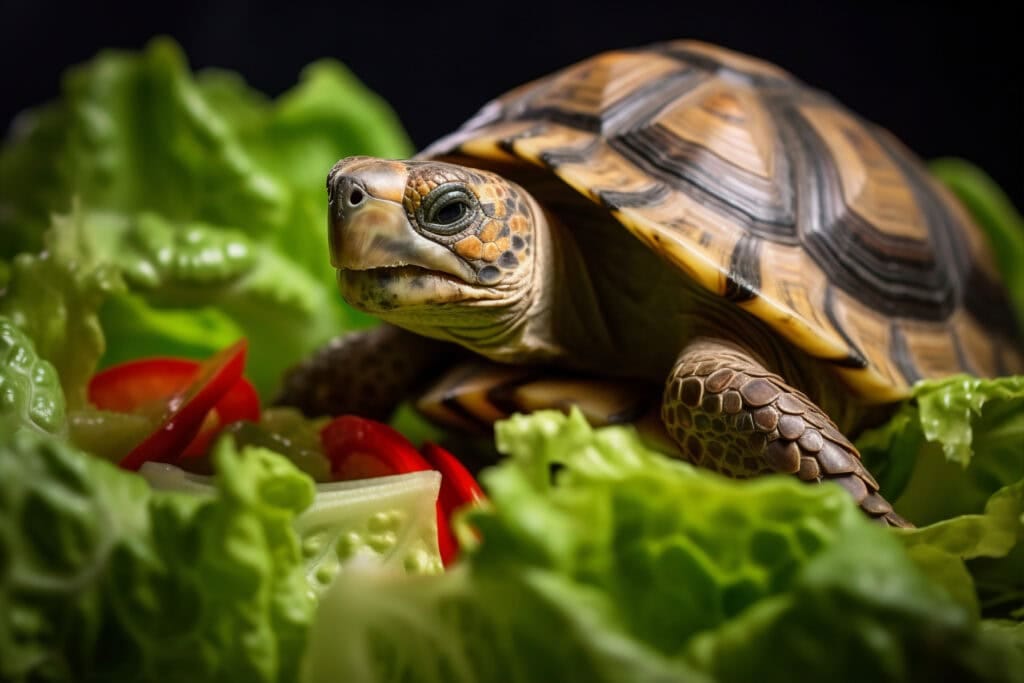
In my own turtle care routine, I found that offering a mix of cucumbers, collard greens, and chard kept meals balanced while also introducing variety. Many keepers overlook how well escarole, spinach, or even parsley can stimulate appetite in reluctant feeders. I once experimented with aloe vera and endive leaves, noticing that my turtle preferred them over romaine. While broccoli and carrots may seem common, their texture helps young turtles strengthen jaw muscles. Even the crispness of bok choy or fresh dandelion greens often becomes a weekly highlight on their feeding schedule.
I’ve also observed that turnip greens, aquatic plants like hyacinths and elodea, and seasonal vegetables such as swiss or radish provide excellent enrichment. Some turtles eagerly nibble on prickly pear pads or softer lettuce options when introduced gradually. Others thrive on peppery flavors of watercress, vibrant beet greens, or the leafy crunch of red leaf and romaine lettuce. In outdoor ponds, water lettuce, strips of bell peppers, and floating duckweed become both food and natural cover, while classic staples like collard and red leaf lettuce ensure they never lack nutritious choices across different feeding cycles.

Fruits / What Fruits Do Turtles Eat
When keeping turtles, I’ve noticed how strongly they respond to colorful, hydrating options like prickly pear, red leaf, or even softer fruits such as cucumbers when mixed in with other feeds. Although many keepers assume fruits should dominate, in reality they function best as limited treats or variety enhancers, much like adding small pieces of carrots or blending slices of romaine lettuce with fresh fruit matter. Some owners I know carefully balance fruit with watercress or endive to ensure turtles don’t become dependent on sugar-heavy items. In my own experience, I once saw a turtle ignore standard collard greens but eagerly nibble a slice of ripe prickly pear—the shift in appetite was striking and taught me how important fruit texture and aroma can be.
What’s equally interesting is that fruit selection often changes depending on the turtle’s species and growth stage. Young turtles, for instance, are more willing to taste-test spinach blended with mild fruit shavings, while adults may gravitate toward structured leaves like chard or radish paired with diced fruit. It’s also worth noting that wild-caught species often nibble on floating greens like duckweed or elodea, but in captivity, small samplings of bell peppers or soft fruit cubes bring them stimulation. My approach is to rotate between fruit and greens—sometimes swiss, other times parsley—so that the turtle remains interested without overwhelming its digestion. This method not only keeps their diet nutritionally balanced but also mirrors the variety they might explore in natural surroundings.
How Much to Feed / Feeding Amounts & Ratio
I’ve noticed over the years that when turtles are given too much raw fruit or an excess of protein, they tend to develop sluggish digestion and even visible deficiencies. Balancing the calcium-phosphorus ratio becomes essential, especially when young turtles under 1-3 years are in their fast growth stages. In my practice, I’ve often adjusted feeding to include small amounts of berries alongside staple collard or romaine lettuce, while limiting treats 5% of the overall diet. A mix of mealworms, live food such as crickets or guppies, and occasional superworms gives the right protein sources, but overdoing carnivorous meals like goldfish or pinkie mice can create problems. For mature adult turtles, I’ve gradually reduced the intensity of feeding, since hibernating species especially need less food during cooler months.
From a practical side, portion size should reflect not only age but also whether you’re caring for herbivores, meat-eaters, or carnivorous turtles. I often guide new keepers to observe if the turtle finishes its serving in under 15 minutes; if not, the portion is too big. Including multivitamins, cuttlebone, and mineral blocks occasionally ensures no silent deficiency lingers. When offering melon, cantaloupe, or mango, I always discard the rind and seeds, as these can be risky. Likewise, avoiding toxic plants, dairy products, processed human foods, or items like cat food prevents toxicity and long-term bacteria buildup. Personally, I’ve seen cases where feeding once weekly with rich brine shrimp or krill for aquatic turtles and supplementing with leafy greens helped them thrive, while keeping away dangers like avocado, marijuana, or raw beef that can harm their system. Careful ratios, mindful observation, and adjusting for less than 2 years versus mature adult status are what make a turtle’s feeding routine sustainable.

Supplements / Do Turtles Need Vitamins or Supplements
When caring for turtles, I’ve often noticed that keepers underestimate how crucial vitamins and supplements can be in maintaining a healthy balance, especially when diets rely heavily on controlled or captive environments. Even though natural sunlight supports the synthesis of calcium and essential nutrients, indoor setups without proper UVB lighting make deficiencies more likely. I’ve seen cases where turtles with poor access to fortified diets developed soft shells or sluggish behavior, simply because they lacked multivitamins or proper mineral intake. In such cases, a powdered calcium supplement dusted over leafy foods or a structured vitamin D3 addition made visible improvements within weeks.
Still, it’s not about loading their meals with endless supplements; the reality is moderation and balance. A turtle on a varied diet rich in greens, insects, and occasional fruits may not require frequent vitamins, but in scenarios where certain food groups are missing, measured additions of mineral blocks or liquid supplements help prevent metabolic bone disease. From my own perspective, the key is observation—watching how shell texture, appetite, and energy respond. Instead of guessing, providing targeted calcium and vitamin support according to environment and age ensures their diet feels complete without overwhelming their natural feeding rhythm.
What Turtles Shouldn’t Eat / Foods to Avoid
I’ve seen many new keepers rush into giving their turtle snacks that look appealing to humans, but some items create long-term harm. For instance, feeding too much plant material without balance, or misunderstanding 50% carnivorous requirements for certain species, makes digestion unstable. A friend once ignored this and gave constant apples and banana as daily treats—both sweet and seemingly harmless—yet their adult turtles showed sluggish behavior and abnormal shell texture. In practice, it’s not only about portioning 10-20% or 30-40% ratios but also recognizing hidden dangers like pesticide residue on strawberries or spoiled oranges that compromise health.
Another common mistake is assuming that natural means safe. I’ve worked with enclosures where aloe vera and hyacinths were planted for aesthetics; within weeks, the reptiles chewed them down, resulting in gut irritation. Even so-called nutritious greens like romaine lettuce or beet greens offer little value when fed exclusively, leading to deficiencies masked as normal appetite. Worse are animal proteins chosen incorrectly—keepers offering feeder fish, bloodworms, or crayfish too often while skipping safer rotations like locusts or redworm. Over years, I learned that balance isn’t just about variety but also about respecting limits. Avoid filling the diet with flashy options like grapes, blueberries, or raspberries daily, as sugar builds subtle but real risks.

8 Types of Turtle Species and Their Dietary Requirements
When I first observed green turtles along the coastline, it became clear that their preference for a plant-based diet like grass and leaves was not a coincidence but an evolved survival pattern. Contrast this with a tortoise, often called natural browsers, which thrive on steady access to fibrous plants. In captivity, however, a pet turtle’s routine shifts. Owners must balance nutrition differently, ensuring the species-specific needs are met without overcompensating through artificial feeds or unsafe substitutes. Having cared for multiple kinds, I’ve noticed each responds uniquely to food textures and variety—ignoring one type of food while thriving on another.
It’s surprising how subtle these variations can be. A freshwater hatchling might require commercial diets early on, while a desert-adapted species resists pellets altogether and favors seasonal produce. My practical takeaway is that while guides emphasize broad categories, actual feeding depends on close monitoring. For instance, an aquatic turtle may pick through floating greens but hunt small live prey with enthusiasm, unlike a land-based tortoise. Observing appetite shifts across these eight species has taught me that their health is not about overfeeding but about recognizing patterns—whether it’s a preference for soft leaves, crunchy stems, or even specialized commercial blends designed to mimic wild nutrition.
What Do Baby Turtles Eat?
When reflecting on my own observations of baby turtles, one striking fact is how rapidly their dietary requirements differ from adults. Unlike tortoises, which lean more toward plant-based meals such as hays, hatchlings often crave higher protein to sustain their early growth. I’ve seen young ones eagerly chase tiny insects, small mollusks, or even nightcrawlers, showing an instinct for energy-rich foods. While many people assume giving them common household leftovers is safe, offering things like ground beef or frozen vegetables is a mistake, as it can introduce parasites or harmful chemicals into their system.
In practical setups, I’ve combined tested commercial turtle food like fluker’s aquatic medley or zoo med natural food with fresh finds such as dubia roaches, bait minnows, or waxworm larvae to balance nutrition. Occasionally, leafy options like romaine lettuce, broccoli, or dandelion greens can be offered, but moderation is key, since overloading them with cabbage or iceberg lettuce reduces nutrient absorption. Some keepers think about boosting health with vitamin supplements, but the risk of toxicity and over-supplement problems is real—especially in small reptiles. In colder regions, young turtles that haven’t fully cleared their system before a natural hibernation cycle often face health crashes, so timing feedings with the seasons matters more than people expect.
FAQs
What do pet turtles usually eat in captivity?
Most pet turtles thrive on a mix of turtle food, pellets, and fresh items like vegetables, plants, and small insects. Since many are omnivores, their diet should include about 25% protein from animals and the rest from leafy greens, ensuring balanced nutrition.
Are red-eared sliders considered omnivorous turtles?
Yes, red-eared sliders are typical omnivorous turtles. As aquatic reptiles, they naturally consume live food, plants, and sometimes even commercial turtle pellets. Their diet changes with age, becoming more plant-based as they mature.
Do carnivorous turtles eat only meat?
Not always. While carnivorous turtles focus on meat-eaters’ diets like fish and other protein sources, they may still benefit from a small variety of plants for digestive coordination. A veterinarian can suggest exact ratios.
What live food animals are safest for turtles?
Keepers often use crickets, mealworms, goldfish, guppies, and snails. Others offer earthworms, blackworms, or even brine shrimp. For high protein, choices like pinkie mice, locusts, dubia roaches, superworms, or waxworm larvae are common.
Can turtles eat mollusks or shellfish?
Yes. Both mollusks and shellfish are excellent protein-rich live food for omnivorous and carnivorous turtles. They may also eat crayfish, bee moth larvae, or dragonfly larvae in natural habitats.
Are vegetables important for a turtle’s diet?
Absolutely. Options include kale, cucumbers, mustard greens, hibiscus, and collard greens. Others like squash, chard, escrole, parsley, spinach, and endive help maintain balanced nutrition.
Which aquatic plants are safe?
Aquatic plants such as elodea, hyacinths, duckweed, and watercress are excellent choices. Turtles also eat romaine, swiss chard, dandelion greens, turnip greens, and even aloe vera leaves in moderation.
Can turtles eat fruits like melon or banana?
Yes, but only in small amounts. Safe fruits include melon, cantaloupe, strawberries, apples, mango, papaya, and grapes. Offer occasional turtle treats such as berries, raspberries, oranges, or banana. Avoid giving seeds or thick rinds.
How much food should turtles get daily?
Portions depend on body weight and life-stage. For adult turtles, about 30-40% of food can be plants or plant material, with around 25% live protein and the rest from carnivorous turtle pellets. Keep the ratio balanced at roughly 10-20% animal matter for herbivores, and up to 50% for carnivorous species.
How often should juveniles be fed?
During the juvenile period (under 1 year or up to 1-3 years), daily feeding is necessary. A good feeding schedule may include morning feeding in a separate feeding tank to keep water clean. By the time they reach a mature adult stage, you can reduce frequency to three to four times per week.
Do turtles need supplements?
Yes, but carefully. Supplements like vitamin D3, calcium powder, or cuttlebone prevent deficiency. Some use mineral blocks or multivitamins to address deficiencies in nutrition. Still, avoid over-supplement use, as toxicity and calcium-phosphorus imbalance can occur in reptile species.
What turtles eat foods are unsafe for turtles?
Avoid cabbage, iceberg lettuce, rhubarb leaves, tomato leaves, or raw chicken. Dog food, cat food, and processed human foods may introduce pesticides, chemicals, or harmful bacteria. Avocado, marijuana, azaleas, amaryllis, oak, ivy, lilies, and other toxic plants are also dangerous.
Can turtles eat raw beef or ground beef?
No. Feeding raw beef, ground beef, or raw meat can carry parasites, toxic residues, or unsafe frozen vegetables. Even earthworms from contaminated soils may harbor pesticides or chemicals, so sourcing safe live food is vital.
What do different turtle species eat in nature?
Painted turtles, snapping turtles, map turtles, and musk turtles often eat worms, crayfish, or aquatic insects. Softshell turtles may go for small mammals, mollusks, or even carrion. Mud turtles nibble on grasses, green vegetation, or mushrooms, while tortoises and other herbivores prefer hays and aquatic plants.
How do freshwater turtle eat food brands compare?
Many keepers rely on reptomin floating sticks, mazuri aquatic turtle diet, or gourmet aquatic turtle food. Others rotate fluker’s aquatic medley and zoo med natural food. For variety, combine commercial turtle food with seasonal fresh produce.
Do turtles hibernate in winter months?
Some hibernating species do. When cold temperatures arrive, they slow digestion, empty the digestive tract, and enter a fasting month. Their system must be cleared before hibernation, or complications during the winter months may arise.
What should baby turtles eat?
Hatchling turtles need daily feeding with more protein, pellets, and finely chopped vegetables. Their feed frequency must be higher than adults to support growth, proper minerals, and essential vitamins through this critical life-stage.
What do green turtles eat in the wild?
Green turtles mainly eat algae and seagrass, following a plant-based diet as they mature, though young individuals may still include protein-rich foods.
What food do tortoises prefer most?
A tortoise often enjoys plants, grass, leaves, and fresh fruits. As natural browsers, they also consume a wide range of vegetables.
What do box turtles eat as pets?
A box turtle kept as a pet accepts vegetables, worms, bugs, pellets, and fruits, making them relatively easy to maintain if a balanced mix is provided.
What are safe turtles eat foods for aquatic turtles?
Aquatic turtles benefit from leafy greens, fruits, aquatic plants, and invertebrates alongside occasional fish. Offering variety helps maintain health.
Pingback: Can Turtles Eat Banana? Now 7 Surprising Benefits & Hidden Risks
Pingback: Can Turtles Eat Lettuce? Now 7 Safe & Powerful Guides
Pingback: How Many Toes Do Turtles Have? 7 Fascinating Facts
Pingback: Can Turtles Eat Human Food? 7 Safe & Unsafe Choices
Pingback: How Fast Do Snapping Turtles Grow? 7 Surprising Truths
Pingback: Best Food for Baby Red-Eared Slider Turtles: 7 Complete Diet & Care Guides
Pingback: Turtle Tank for Beginners: 10 Setup Tips for a Healthy Habitat
Pingback: What Colors Are Turtles? 7 Fascinating Facts & Variations
Hi there! I could have sworn I’ve been to this web site before but after browsing through many of the posts I realized it’s new to me.
Anyways, I’m definitely happy I found it and I’ll be book-marking
it and checking back often!