
When I first observed turtles at night, as can turtles see in the dark? I noticed their eyes slowly adjusted to low light. The vision was less sharp, much like humans, but they could still perceive motion, faint shapes, and silhouettes. Unlike nocturnal animals, they don’t rely on advanced night vision, but the pupils expand in darkness, allowing more light to enter. This helps even freshwater and sea turtles retain some level of sight, though details become blurred in dim environments.
Over years of keeping pets, I’ve seen owners mention how their turtles can sense surroundings and movement with surprisingly little strong lighting. It’s clear their visual acuity declines, but their ability to detect activity still remains. In fact, I’ve tested how rod cells help in near-dark conditions, and the adaptability is remarkable when compared to what most people assume.

How Turtles’ Eyes Work in the Dark
The process of eye adjustment in turtles is fascinating; their eyes respond to darkness as the pupil widens, activating rod cells for low light sensitivity. Much like humans, they adapt, but without specialized night vision like owls or cats. In such conditions, details often diminish, but they still gain perception of dim light.
I’ve noticed they detect shapes, silhouettes, and motion even when visibility drops. The color spectrum also reveals how turtles view the broader shades of red compared to humans, though they cannot sense infrared. Interestingly, their underwater vision in aquatic species works even in murky water, with clarity depending on available light.
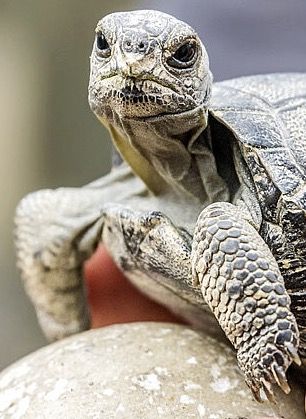
Do Turtles Need Light at Night?
From experience, exposing turtles to constant light at night disturbs them. They depend on a consistent cycle of 12 hours of light and dark to maintain circadian rhythms. When this balance is ignored, their behavior changes.
Most turtles naturally sleep underwater or in safe areas once the lights go off. A timer for turtle tank lighting ensures they achieve proper rest, reflecting the natural day–night balance they’d follow in the wild.
Red Light & Turtles
Recent research shows red light affects turtles differently than white or blue illumination. Many keepers use lamps, but experts caution that even minimal light can disturb sea turtles during nesting.
I’ve seen behavior shifts when strong artificial light surrounds their habitats, especially on beaches where conservation matters. Responsible conservationists emphasize reducing interference from human setups for long-term turtle survival.

Turtles’ Eye Anatomy & Vision Facts
Looking closer at turtle eyes, you’ll find more rod cells than cones, which aids movement detection in low light but weakens color detection in darkness. Still, their daytime vision shows impressive color recognition under bright light.
On both land and water, vision is their primary sense, supported by smell and vibrations. This combination explains why they remain alert across changing environments and lighting conditions.
Sea Turtles and Darkness
Many sea turtles instinctively move across beaches at night, guided by the faint glow of the moon and stars. This natural navigation system evolved over millions of years, allowing them to orient themselves toward the water even when visibility is low. Their ability to detect subtle contrasts between sky and horizon helps them find the ocean, which is critical during nesting season when females crawl ashore in the dark.
However, growing levels of artificial lighting near coastlines pose a serious challenge. Bright streetlights or hotel lamps can overwhelm natural cues, causing young hatchlings to crawl inland toward roads instead of heading to the sea. Conservation groups now shield lights, use turtle-safe bulbs, or restrict nighttime beach activity to reduce such disruptions and preserve this delicate survival behavior.
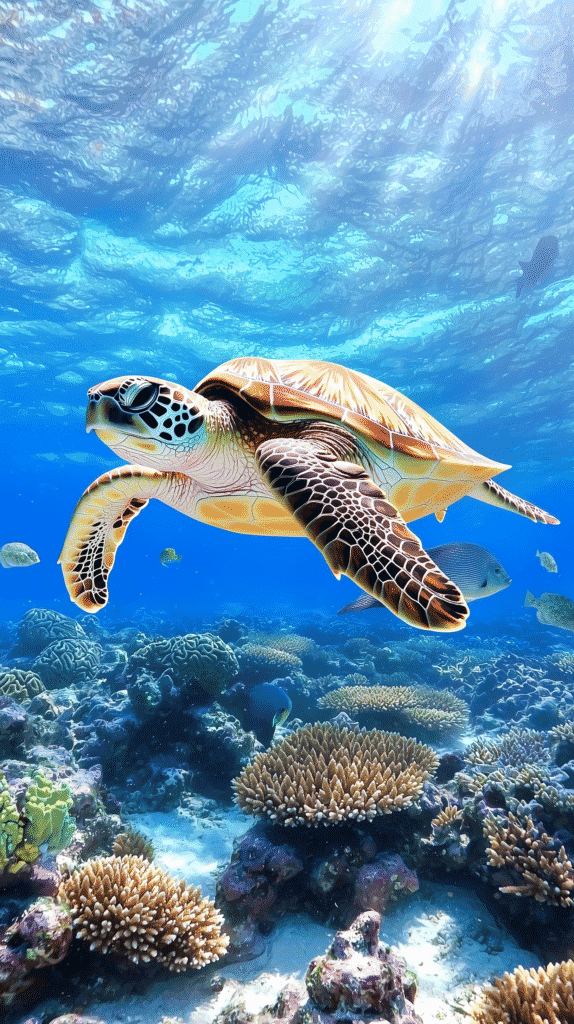
Can Baby Turtles See in the Dark?
Both baby turtles and adults rely on their eyes to adjust in dim environments, but the smaller hatchlings face greater risks. Their small size makes them more vulnerable to predators, obstacles, and misdirection. Even so, their natural adaptations allow them to pick up faint outlines, enough to begin their critical journey from nest to sea.
In practice, these hatchlings depend on natural light cues like the shimmering ocean horizon to orient themselves. On a dark beach without interference, this process works seamlessly, guiding them toward the ocean with surprising accuracy. Any disruption, however, such as bright coastal development, can throw them off course, underlining how fragile and vital this early survival stage truly is.
Myths About Turtle Night Vision
Some turtle owners mistakenly assume turtles have the same night vision as cats or other nocturnal animals. In truth, humans and turtles only adapt their eyes to available light, and cannot magically enhance sight in full darkness. Their limited ability means they function adequately at dusk but lose precision as shadows deepen.
In reality, details quickly fade in complete darkness, forcing turtles to rely more on subtle movements or environmental cues. While their eyes contain rods that help detect low-light activity, it is nowhere near the specialized adaptations seen in nocturnal species. Recognizing this distinction helps caretakers avoid overestimating their turtles’ abilities and ensures enclosures or outdoor spaces support their true biological needs.
FAQs: Can Turtles See in the Dark?
Q1: Can turtles see in the dark?
Yes, turtles can see in the dark once their eyes adjust, but their vision is not as sharp as in daylight. They can detect shapes, movement, and outlines, though details remain blurry.
Q2: Do turtles have night vision like cats or owls?
No, turtles do not have specialized night vision. Unlike nocturnal animals, their eyes only adapt slightly to low light, which helps them function but not see clearly.
Q3: How do turtles’ eyes adjust to darkness?
Turtles’ pupils expand in darkness, and their rod cells become more active. This process allows them to capture more light, improving visibility in dim conditions.
Q4: Can aquatic turtles see underwater at night?
Yes, aquatic turtles can see underwater at night, but clarity is limited. They rely on motion detection and silhouettes rather than fine detail.
Q5: Do sea turtles see in the dark on beaches?
Sea turtles can navigate beaches at night using natural light from the moon and stars. However, artificial lighting confuses them and may lead hatchlings toward roads instead of the ocean.
Q6: Can baby turtles see in the dark?
Yes, baby turtles adapt to dim light just like adults, but their small size makes them more vulnerable. They rely on natural light cues to reach the ocean safely.
Q7: Do turtles need light at night?
No, turtles do not need light at night. They require darkness to rest properly, usually in a 12-hour light and 12-hour dark cycle.
Q8: Can I leave my turtle in complete darkness?
Yes, complete darkness at night is healthy. Turtles naturally rest when the lights go off, mimicking the day–night rhythm of the wild.
Q9: Should I use a night light for my turtle tank?
No, night lights are unnecessary and may disturb their sleep. If visibility is required, use very dim red lighting, but only when needed.
Q10: Are turtles disturbed by blue or white light at night?
Yes, bright blue and white lights are disruptive. They interfere with rest and, in sea turtles, can disturb natural nesting and hatchling orientation.
Q11: Can turtles see red light?
Yes, turtles can see more of the red spectrum than humans. However, conservationists caution that strong red lights can still disrupt sea turtles.
Q12: Do turtles sleep in the dark?
Yes, most turtles are diurnal and sleep at night, often underwater or in secure hiding spots where they feel safe.
Q13: How far can turtles see in low light?
Turtles can detect movement and general outlines in low light, but the range is limited compared to daytime. They are more sensitive to motion than to detail.
Q14: Can turtles see humans in the dark?
Yes, turtles can recognize human presence through shapes and motion in low light, but they cannot see clear facial details.
Q15: Can tortoises see in the dark?
Yes, tortoises, like turtles, can see in the dark after their eyes adjust, but their vision is still limited compared to bright light.
Q16: Do turtles use smell more than sight at night?
Yes, when vision is reduced, turtles often rely on smell and vibrations in the environment to navigate safely.
Q17: Can turtles eat in the dark?
They can attempt to feed in dim conditions by sensing motion and smell, but feeding should ideally be done in well-lit conditions.
Q18: Why do hatchlings crawl the wrong way at night?
Artificial lighting near beaches confuses baby turtles, making them crawl inland toward bright areas instead of the moonlit ocean horizon.
Q19: Can turtles see infrared light?
No, turtles cannot see infrared light. While they detect more red wavelengths than humans, infrared remains outside their visual range.
Q20: How can I make my turtle tank lighting natural?
Use a timer to maintain 12 hours of light and 12 hours of darkness. This supports their circadian rhythm and overall health.
Q21: Do turtles prefer darkness or light?
Turtles prefer light during the day for basking but require darkness at night for rest. A consistent day–night cycle is important for their health.
Q22: Can turtles get stressed if kept in the dark too long?
Yes, keeping turtles in constant darkness can cause stress, disrupt their circadian rhythm, and weaken their immune system.
Q23: Do turtles have better vision at dawn or dusk?
Yes, turtles often see better at dawn and dusk compared to full darkness, since low natural light still provides enough contrast for their rod cells.
Q24: Can turtles recognize colors in the dark?
No, color recognition decreases significantly in the dark. Turtles rely more on motion and shapes than color at night.
Q25: Do turtles navigate more by sight or smell at night?
At night, turtles combine both senses, but smell and environmental vibrations become more important when vision is limited.
Q26: Can turtles see predators in the dark?
Yes, turtles can detect predator movement in low light, though details are unclear. This ability helps them react defensively.
Q27: Do turtles’ eyes glow in the dark?
No, turtles’ eyes do not glow like some nocturnal animals. They lack the reflective layer (tapetum lucidum) that causes glowing eyes.
Q28: Can turtles see better in water or on land at night?
In low light, turtles often see slightly better in water because light refracts differently, but clarity is still reduced in both environments.
Q29: How long does it take for turtles’ eyes to adjust in the dark?
Turtles’ eyes may take several minutes to adjust fully to darkness, similar to humans, as their pupils dilate and rod cells activate.
Q30: Do turtles get confused by glass reflections in the dark?
Yes, turtles in tanks sometimes get confused by reflections at night, mistaking them for movement, which can cause pacing or stress.